Solar energy storage is the cornerstone of a smart solar power system. From the first ray of sunshine to powering your evening routines, understanding charging and discharging operations is essential. This post dives deep into how these cycles influence efficiency—and how our premium solar power solutions maximize performance for your home or business.
What Is Solar Panel Charging and Discharging?
At the heart of every solar setup are two opposing operations: solar panel charging and discharging.
- Charging occurs when your photovoltaic panels convert sunlight into electricity, then this surplus energy is stored in batteries.
- Discharging begins when those batteries release stored energy to power your appliances when sunlight is unavailable.
This seamless handoff between solar charging and battery discharge ensures consistent, reliable power—even at night or during cloudy days.
Why Battery Efficiency Matters
Battery efficiency determines how much of the energy you store is actually available later. At the crux of this:
- Battery Efficiency is the ratio of energy output to input across charge/discharge cycles. Higher efficiency means less waste and more usable power.
- Batteries with high depth of discharge (DoD), low internal resistance, and stable thermal behavior yield superior performance.
- Our premium lithium‑ion battery systems deliver >95% round‑trip efficiency—far surpassing lead‐acid alternatives.
What Affects Charging and Discharging Efficiency?
1. Solar Panel Efficiency
The first layer of performance starts with your photovoltaic panels. High-efficiency panels (such as monocrystalline models) convert more sunlight into usable electricity, resulting in more energy available for battery storage. Poor panel performance directly limits how much power your batteries can receive.
2. Battery Technology and Chemistry
Your choice of battery technology—whether lead-acid, lithium-ion, or emerging solutions like sodium-ion—directly affects efficiency. Key factors include:
- Depth of Discharge (DoD): Shallow DoD prolongs battery life.
- Charge/Discharge Cycles: Higher cycle durability means longer battery service life.
- Temperature Sensitivity: Extreme heat or cold can reduce efficiency and damage battery cells.
3. Charge Controllers
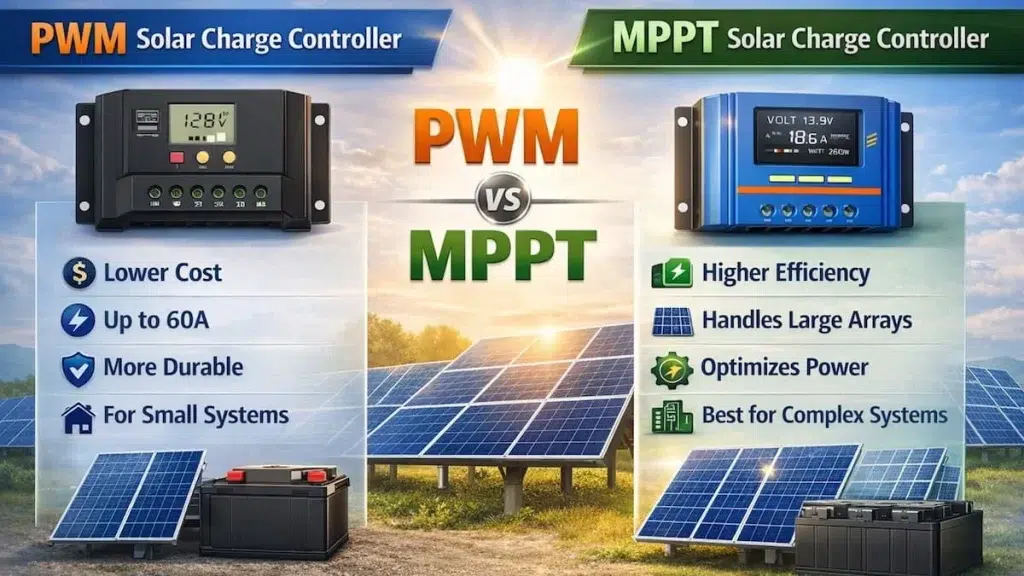
Charge controllers regulate the flow of electricity between solar panels and batteries. A Maximum Power Point Tracking (MPPT) charge controller, for instance, enhances energy transfer by adjusting to voltage fluctuations in real time. An underperforming or mismatched controller can lead to energy loss, battery degradation, or even system failure.
Top Solar Energy Storage Technologies for Solar Power Systems
1. Lead-Acid Batteries
Reliable but outdated, these batteries are affordable yet bulky, high-maintenance, and less efficient. They’re suitable for budget-friendly, off-grid installations but not ideal for long-term performance.
2. Lithium-Ion Batteries
The industry standard for modern systems, lithium-ion batteries provide:
- High energy density
- Faster charging and discharging
- Low maintenance
- Longer lifespan
These features make them ideal for residential solar systems, smart energy grids, and solar backup generators.
3. Next-Gen Storage Options
Flow batteries, solid-state lithium batteries, and even hydrogen-based systems are emerging as scalable, future-proof energy storage solutions. These technologies are poised to revolutionize how we store solar energy across industrial, residential, and mobile platforms.
Strategies to Maximize Solar Power Utilization
1. Net Metering
Sell your excess power back to the grid. Net metering reduces your energy bills, boosts ROI, and encourages optimal energy use.
2. Time-of-Use (TOU) Pricing
Use stored solar energy during high-tariff periods. TOU pricing rewards users who shift energy consumption to times of high solar production.
3. Energy Management Systems (EMS)
Smart EMS platforms automate charging and discharging decisions based on:
- Current generation levels
- Battery charge state
- Real-time electricity pricing
This ensures energy independence and maximum cost-efficiency.
4. Hybrid Renewable Systems
Integrate solar with wind, hydro, or biogas systems for a diversified and consistent energy supply, especially in locations with unpredictable weather.
Maintenance & Monitoring: The Hidden Power Boost
Regular Maintenance
Maintaining battery health and verifying proper operation of your solar panels, inverters, and controllers is non-negotiable. A single faulty connection or damaged cell can degrade the entire system’s performance.
Real-Time Monitoring
Use advanced software or mobile apps to:
- Track charging/discharging cycles
- Monitor system performance
- Identify inefficiencies instantly
Data-driven monitoring can help extend component life and prevent system downtime.

Why needs solar power optimization: Your System’s Performance, Your Energy Future
Efficient charging and discharging operations are the engine behind the power in any solar system. Optimizing these functions means:
- More consistent power supply
- Reduced grid dependence
- Higher system ROI
- Improved battery lifespan
- Smarter energy usage
Whether you’re managing a residential installation, powering a remote construction site, or running an off-grid lifestyle, fine-tuning this balance is the key to solar success.
PowerInPro’s Advantage: Smarter Solar Starts Here
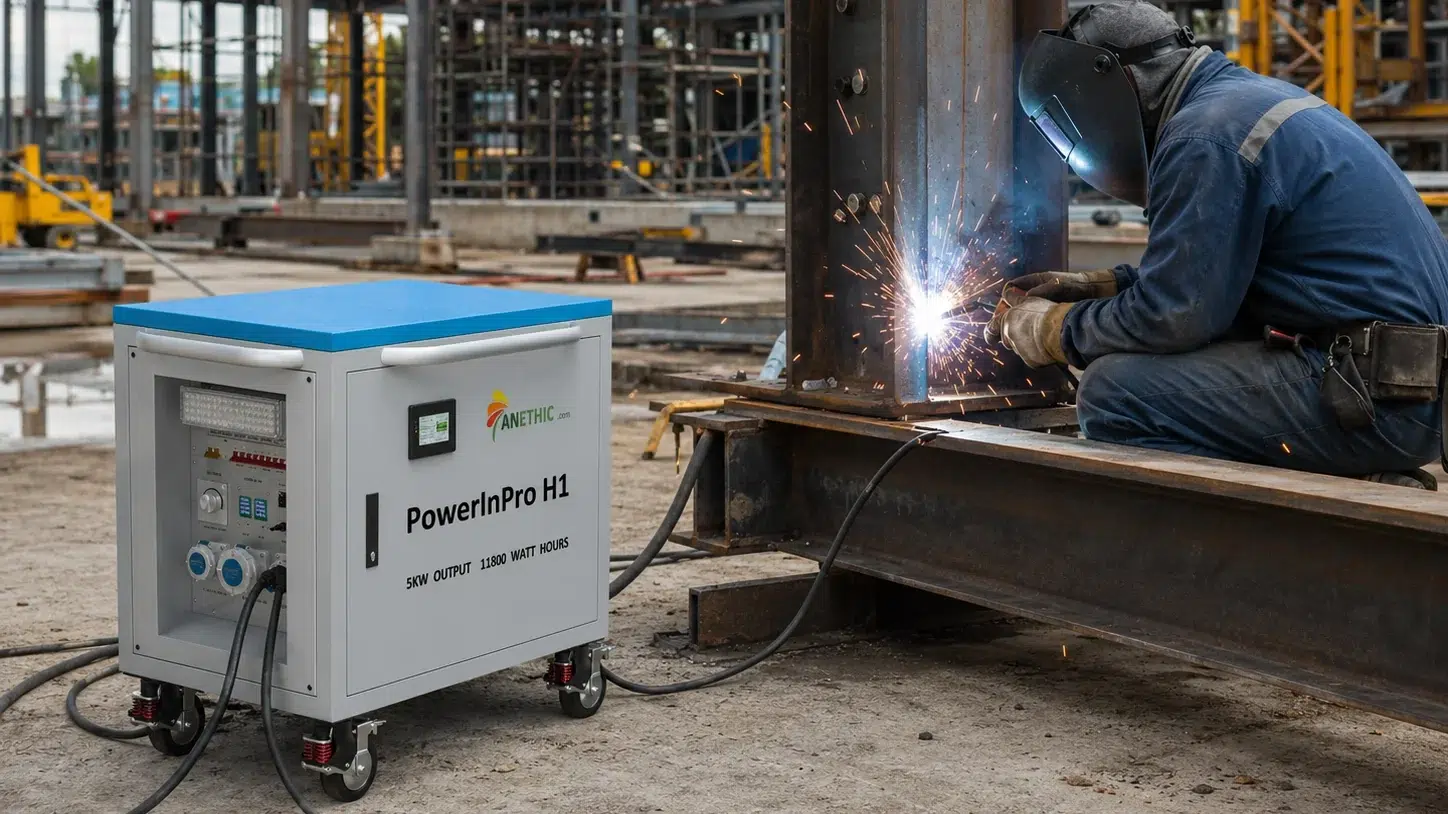
At PowerInPro, our solar-powered generators and battery systems are engineered with smart charging technology, high-performance lithium-ion batteries, and advanced EMS integration—designed to optimize energy flow, reduce waste, and increase system reliability.
Whether for home backup, industrial use, or off-grid living, our products are built to maximize solar energy output and extend battery life, all while lowering your environmental footprint.